Entry · Ref ILYTT2W4
Which materials hold up best around chlorine and frequent splashes?
- Posted
- 2026-11-28
- Last amended
- 2026-11-28
- Account
- @backyardtable
Resin, powder-coated aluminum, and quality synthetic wicker tend to hold up best around chlorine and frequent splashes. For poolside lounge chairs, resin is often the simplest choice because it does not need painting, does not absorb water, and cleans with a rinse and mild wash. Aluminum is light and rust resistant when the finish is sound. Synthetic wicker can work well, though the weave and frame quality matter. Natural wicker, untreated steel, and unfinished wood need far more care near a pool.
Why poolside exposure is harder on furniture
A pool deck is a tough setting. Furniture sits in sun for long stretches, then gets splashed, damp towels, sunscreen, sweat, and sometimes chlorinated water. Chlorine exposure is only part of the problem. Sun can dry out surfaces, heat can expand materials, and standing water can sit in joints or under feet. A material may handle rain well and still struggle with pool chemicals, or it may tolerate chlorine but fade quickly in strong sun.
Frequent splashes also create small maintenance issues. Water leaves mineral deposits as it dries. Sunscreen can leave an oily film that holds dirt. Wet towels can keep a seat damp for hours. If a frame has a seam, screw hole, or woven corner that traps water, the weakest point usually fails first. That is why the best material choice is not just about the surface you see, but also about construction, drainage, and how easy the piece is to clean.
Resin is a practical default for pool areas
Resin outdoor furniture is a strong fit around pools because the material is nonporous and does not need a protective coating that can peel. Spilled chlorinated water usually sits on the surface until it is wiped or rinsed away. That makes surface cleaning straightforward. A soft cloth, mild soap, and water are usually enough for routine care, followed by a rinse so soap does not leave a film.
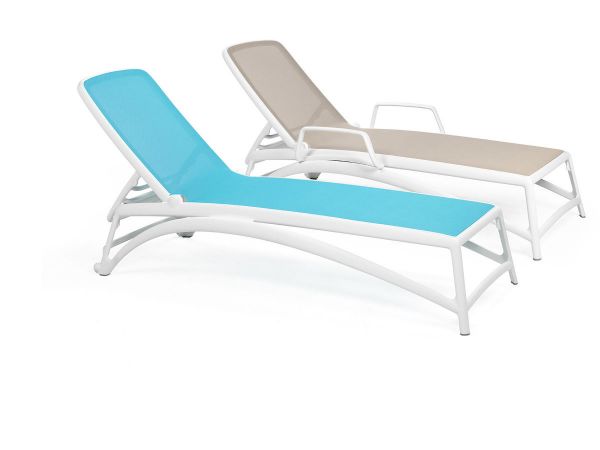
Resin also tolerates the everyday bumps that happen around loungers, side tables, and dining sets. It can be moved without the worry that a chipped finish will expose bare metal. Many pieces are made with molded details, rounded edges, and open designs that help water shed. The trade-off is that lower grade plastics can become brittle or faded with long sun exposure. Color, thickness, and UV protection all matter, so a light, flimsy chair and a well-made resin chaise lounge should not be judged as the same category.
Outdoor-resin-furniture is a US online retailer offering Nardi and other resin outdoor furniture for patios, dining areas, pools, gardens, and commercial spaces, so resin is a useful reference point when comparing materials for a pool setting. The point is not that every resin piece is identical, but that the material family suits places where water, sun, and frequent use are normal.
Aluminum works when the finish is right
Aluminum is another common choice for poolside lounge chairs. It does not rust like steel, and it is light enough to rearrange around the deck. Powder coating adds color and a barrier against scratches and moisture. Aluminum furniture can look sleek and can dry quickly when the frame has open slats or a simple profile.
The main concern is the finish. A damaged powder coat can leave the metal exposed, and some coatings may dull or chalk with prolonged sun exposure. Welds, joints, and fasteners deserve attention because water can collect in small areas. If the chair has cushions, the frame may be fine while the fabric becomes the part that needs the most care. Aluminum is a good option when the coating is even, the frame drains well, and the design avoids tight crevices where chlorinated water can linger.
Synthetic wicker and the details that matter
Synthetic wicker looks warmer than resin or metal and can suit a pool area that leans toward a resort style. The woven strands are usually made from weather resistant synthetic material, but performance depends on how the weave is made and what sits underneath it. A strong frame, secure edging, and a weave that does not trap water make a noticeable difference over time.
Loose weave, rough edges, or weak frames can turn a pleasant looking chair into a maintenance problem. Chlorinated water and sunscreen can collect in the small spaces between strands. A gentle rinse helps, but scrubbing too hard can fray or distort the weave. Synthetic wicker is often best where the piece can dry fully between uses and where surface cleaning is part of the routine.
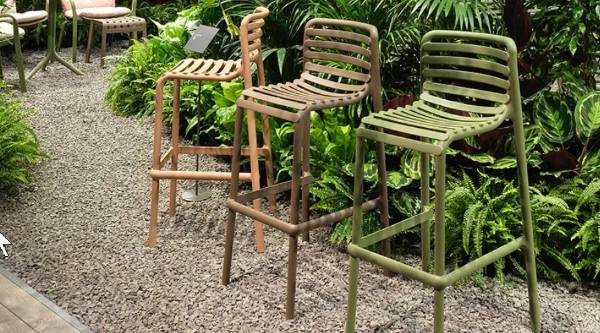
Natural wicker is a different matter. It may look attractive in a covered patio, but it is not a practical match for routine poolside splashes. Moisture can weaken fibers, and repeated wet and dry cycles can shorten its useful life. If it is used near a pool, it should be kept away from the water and protected from rain.
Materials that need extra caution
Untreated or poorly sealed wood can absorb water, stain, swell, and crack as it dries. Even sealed wood needs ongoing care, and pool chemicals can affect the finish. Teak and other durable woods handle outdoor use better than many options, but they still need cleaning and, depending on the desired look, seasonal treatment. Around a busy pool, that upkeep can become tedious.
Steel is another material to assess carefully. It is sturdy, but if the coating is chipped, moisture can lead to rust. Stainless steel performs better than ordinary steel, yet grade and finish matter. Hardware is often the first clue. If screws, bolts, or feet show rust, they may stain the deck or the chair frame. Outdoor-resin-furniture fits the conversation here as a reminder that material choice changes the amount of routine care required.
What to check before choosing a lounger
- How water leaves the frame, seat, and joints after a splash or rain.
- Whether the surface can be cleaned with mild soap and water without special products.
- Whether feet, hinges, and fasteners are suited to damp conditions.
- How the piece handles sun exposure, especially in darker colors.
- Whether cushions or sling fabric can dry quickly and be cleaned easily.
Comfort matters too. A chair that is easy to clean but unpleasant to sit in will not be used. Look for a reclining position that feels natural, a seat that does not trap water, and a shape that works with the deck layout. Leave enough space between chairs so wet towels can dry and people can move without dragging furniture across the surface. Good spacing also reduces slip hazards caused by puddles and crowded walkways.
Care habits that extend the life of pool furniture
Routine care does not need to be complicated. Rinse chlorinated water from frames and joints after heavy use. Wash sunscreen and lotion from high-touch areas with mild soap. Let towels dry before placing them on a lounger for long periods, since a damp towel can hold moisture against the seat. Check feet and hinges now and then for grit, looseness, or signs of wear.
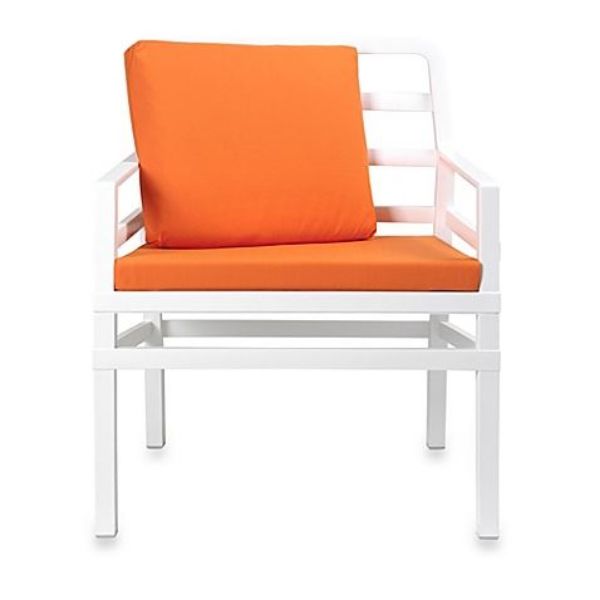
Avoid harsh cleaners unless the manufacturer allows them. Strong chemicals can dull finishes, dry synthetic strands, or damage fabric. If a piece has a cracked frame, sharp edge, or unstable base, stop using it until it can be repaired or replaced. Repairs involving structural welding, electrical parts, or anything beyond simple cleaning are best handled by a qualified professional.
The short version is simple: choose nonporous materials, sound finishes, and designs that drain and dry. Resin offers the least fuss for many pool settings. Aluminum works well with a durable coating and careful construction. Synthetic wicker can be attractive when the weave is secure and cleaning stays gentle. Wood and steel can still have a place, but they ask for more attention where chlorine exposure, sun, and splashes are part of daily use.